

Our brains have an amazing ability to learn and retain material. The trouble is we don’t have 100{54c12dad2cc2b53ae830e39915b1a3e70288dbcbbeb8bbf8395437c5dc3c512c} control over this ability — we can tell our brain something is important, but our brain may not listen.
Have you ever told yourself that a particular book is important but you find yourself rereading the pages just to understand the material? It’s difficult to pay attention to material written in a formal tone (like most textbooks) even though you may want to understand it. The problem is you’re fighting against your brain – the most sophisticated computer ever created.
Neuroscience has discovered that our brains remember things that it thinks are important. And our brains think conversations are important and should be remembered. Especially funny or emotional conversations.
Conversational writing causes your brain to wake-up and pay attention. Your brain thinks it’s in a real conversation, even though you’re reading text on a page. If you’re developing learning content, teaching or helping your child study for a test – use a conversation. Your reader’s brain will thank you for it.
For a majority of the writing you may do, a conversational tone will go a long way in getting your point across while holding your reader’s attention. Here’s a few tips to help:
- Write using a conversational tone. Your brain thinks it’s in a real conversation when reading material written in a conversational tone. What happens during a conversation? Your brain pays attention and your remember more of the material. Researchers aren’t sure exactly why it works, but you can read more about it in e-learning and the Science of Instruction. Their research shows your brain pays attention to conversations and improves your ability to remember the topic. I guess, if you’re involved in a conversation your brain thinks it may have to respond to that conversation and should pay attention.
- Your tone tells a lot about you. Here’s something to think about. If you’re using formal language in a lecture, article or book, are you more concerned about you and how you sound to the audience? Or are you truly concerned about your audience and what they’re going to get out of your presentation. If you’re truly concerned about your readers, then use a conversational tone and help them learn your material. It’s all about your readers and not about you, the author.
- Write the way you talk. Yes, ignore what you may have learned about writing and write the way you talk to help your readers understand your material. What this really means is to write in a direct and friendly manner – it’s more appealing (especially to your brain) than formal writing.
- Use the Readability Index Calculator to improve the understandability of your writing. This calculator implements the Flesch-Kincaid Reading Ease criteria for determining how easy a passage is to read. Magazines such as the Reader’s Digest are more easily read and score higher on the test (65), while other magazines have dramatically lower scores and are difficult to read. Most paragraphs in this post scored about around a 45 – not bad, but maybe I need to loosen up a bit. I’m not gong to discuss the specifics of the Reading Ease criteria, but suggest using it as a quick verification of the level of your writing.
- It’s ok to use contractions. Contrary to what you may have learned, it’s ok to use contractions – you’ll grab your reader’s attention and engage their brain without them even knowing it.
- “And” and “But” can be used at the beginning of a sentence. But that’s not what you’ve been taught, is it? When we talk we occasionally start sentences with ‘and’ and ‘but’. If you want your writing to sound authentic, the you should do the same.
- Pass the “read out loud” test. If you’re unsure about your writing, then read it out loud to yourself. If it doesn’t sound right, then change it. Reading your writing out loud gives it new meaning and will prevent your brain from filling in any gaps between words.
- Don’t use jargon, buzzwords or obscure words. If you’re really concerned about your readers, don’t use words that show off your intelligence. Your writing is all about the reader and not about you.
- Remain organized and don’t ramble. Conversational writing does not give you permission to write like you’re sending a text message or to ramble using long sentences. In fact, I probably reached a limit in my previous sentence, but I wanted to make a point. Your writing will still need to be well organized and have thoughts that flow together.
There is a time and place for formal writing – maybe you’re creating a reference work or you may be involved with a team of writers and need a consistent tone or style. Certainly contracts and legal documents should not be written in a conversational tone.
You also don’t want to overdo it with the conversational tone. You’ll loose your readers with to much jargon or conversation speak. Take this for example:
“Hi there, are you ready for your first lesson in calculus? Well, ok, lets put on our math hats, get a calculator, some graph paper and lets get started!”
There’s a lot of clutter in my example and many words that don’t add value to the sentence. A better approach would be:
“Some graph paper and a calculator is all that’s needed for your first lesson in calculus”
Clean, precise, but conversational. You can almost hear my voice as I talk to you through my writing.
If you’re looking to improve your writing, grab your reader’s attention and appeal to their brains, then use a conversational tone – your reader’s will love you for it.
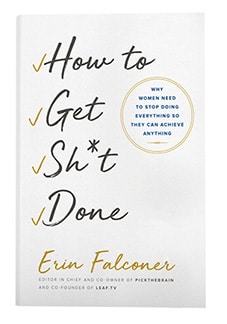
GET THE BOOK BY
ERIN FALCONER!


viagra coupons viagra without a doctor prescription viagra 100mg price
viagra pills no prescription viagra viagra
where to bay cialis (tadalafil) pills 80mg order cialis generic cialis coupon code
viagra online canada cheap viagra generic buy viagra
natural cure for ed erectile dysfunction buying pills online
cheap generic viagra buy viagra generic walmart viagra
medications for ed
how much is viagra buy viagra generic how much viagra should i take the first time?
erection pills
generic viagra without a doctor prescription generic viagra online viagra canada
supplements for ed
cost of viagra buy viagra viagra pills
ed drugs compared
what are the side effects of cialis generic cialis for sale cialis discount card
cialis coupon code cheap cialis real cialis online with paypal
I just want to say I am all new to blogs and definitely savored this web-site. More than likely I’m going to bookmark your blog . You actually have terrific articles. Cheers for sharing with us your web site.
buy anti biotics without prescription prescription drugs cheapest ed pills
buy prescription drugs online legally
online drugs ed medications online ed supplements
the best ed drug
prednisone fast shipping prednisone
ventolin brand name ventolin tab 4mg
cheap amoxicillin 500mg where can i buy amoxicillin over the counter
speedy cash payday loans online personal loans
personal loans payday loans no credit check instant approval
buy generic drugs india pharmacy
buy tadalafil cheap tadalafil
natural ed remedies https://sildenafilxxl.com/ over the counter viagra cvs
buy anti biotics without prescription buy Cipro sildenafil without a doctor’s prescription
buy ed drugs canada drugs online best drugs for erectile dysfunction
cheap drugs buy Amoxil natural remedies for ed problems
how to fix ed canada drugs online meds online without doctor prescription
best canadian online pharmacy generic Zithromax cheap medication
ed devices cheap Nolvadex viagra without a doctor prescription walmart
the canadian drugstore: medication for ed dysfunction erectile dysfunction treatment
best ed medicine: male erection pills natural herbs for ed
zithromax for sale cheap where can i purchase zithromax online zithromax online usa no prescription
zithromax pill zithromax for sale us zithromax online usa no prescription
canadian pharmacy generic viagra roman viagra how to get viagra
cheap medication online canadian drugs without prescription ed help
canadian online pharmacy viagra viagra walmart viagra over the counter usa 2020
zithromax 250 zithromax buy online no prescription buy zithromax online
cialis in canada does cialis lower your blood pressure cialis 200mg
この手頃な価格のおかげで、ますます多くの人々がそれで性的快楽を持つためにセックス人形を購入することができます、そしてそれも彼らの性的楽しみのためにこの種の快楽人形を購入するためにそれほど多くのお金を払うことなく。 ラブドール 通販 https://yourdoll.jp
에볼루션코리아
967BdDVVM#>(
에볼루션카지노
237DnIYsZ_|&
에볼루션바카라
812ZDKOBl”`}
에볼루션룰렛
712maYkDF)&^
에볼루션블랙잭669QGLIYF+~$
The best e-cigarette liquid site in Korea. Korea’s lowest-priced 전자담배 액상 사이트 e-cigarette liquid.
스모크밤336 스모크밤
전자담배 액상 사이트 The best e-cigarette liquid site in Korea. smok25 Korea’s lowest-priced e-cigarette liquid. 스모크밤050 스모크밤
제주룸900isRmTp}_%
에볼루션카지노
255bXGoqU#^)
에볼루션카지노
338Qurahk.{@
에볼루션카지노
543bUVtkv>^)
에볼루션카지노
507wAFtpu'<)
강남카지노빠
956BFYAtQ%<`
강남사설카지노
681iPYOrK_|,
강남카지노강남사설카지노,강남오프라인카지노 놀러오세요^^
Pingback: Copywriting tips for writing digital content | Bundle Training
I really enjoyed your tips on writing with a conversational tone — it makes content feel more approachable and engaging. I recently found that keeping things simple can be a game-changer, especially when checking details like property info online. Tools like Duval Tax Value make it easier to verify accurate numbers quickly, which saves time and reduces confusion. Looking forward to applying these techniques in my own writing!
Your post on using a conversational tone is really insightful and makes reading much more enjoyable. When presenting information, having clarity is key, just like how the Pinellas case records are organized for easy access. Using a friendly tone while keeping details accurate can really elevate the reader’s experience.
Great tips making your writing more conversational really helps improve engagement and readability. I’ve personally seen better results after switching to a more natural tone. Also, if anyone wants to track their academic performance easily, this grade calculator tool is simple, fast, and very useful