

I’m sure you have experienced a wake up call at some point in your life. Events such as a divorce, a new baby, a firing, a terrorist attack, or a near-death experience tend to hit us like a ton of bricks and are not easily forgotten.Personally, what I find interesting is that implicit in the idea of a wake up call is that we have, in some sense, been asleep. What is it that we have been asleep to?When I think of wake up calls, the word that comes to mind is “priorities”. Wake up calls tend to make us stop, pull back from the runway of life, and consider exactly what it is that is important to us.Very often we realize that we have had our priorities upside down. Perhaps we have been spending too much time at the office, too little time with our kids, or have been neglecting our health. So to answer my earlier question, it seems to me that many of us travel through life asleep to what really is important.If you are in a slumber, the following are some ideas to help you wake up and remember the important things in your life:
Connect to Your Own Mortality
Some may find it depressing to think about death, but it can actually be a great technique to improve your life. Try, for example, to imagine laying on your deathbed. What could potentially give you cause for regret? Would it be all the money you didn’t make? Or would it be the friendships you didn’t nurture, the time you didn’t spend with your family, and the places you didn’t see? Now, consider if the way you currently live your life will give you cause for any regrets when you do actually come to lay upon your deathbed.Steve Jobs is a famous advocate of connecting to your own mortality. In his Commencement Speech at Stanford University, he said: “Remembering that I’ll be dead soon is the most important thing I’ve ever encountered to help me make the big choices in life, because almost everything — all external expectations, all pride, all fear of embarrassment or failure — these things just fall away in the face of death, leaving only what is truly important.”
Write a Personal Mission Statement
I admit to being one of those people who normally skips the exercises in self-help books. I did, however, decide to follow Stephen R. Covey’s advice in The 7 Habits of Highly Effective People and write a personal mission statement. In short, a personal mission statement is an individual statement of who you are, what you are about and what you value. The process of writing such a statement helps to clarify your inner-most thoughts and feelings, and once finished is something you can turn to for guidance.If you are interested in writing your own personal mission statement, I recommend Dr. Covey’s Mission Statement Builder. Also, if you would like to see an example you are welcome to read my personal mission statement.
Have a Meaningful Conversation with an Older Person
As you grow older, you naturally acquire experience and knowledge of what is important in life. For example, is there anything you could tell the “you” from 10 years ago that would make life easier? I’m sure there is. Unfortunately, though, unless you have a time machine this is impossible.A great way then to acquire the wisdom that comes with age is to seek out an older person, such as a grandparent, and have a meaningful conversation with them. Ask them about their life, what they have learned, and what they would do differently. You may just find they experienced many of the thoughts and feelings you are currently are when they were younger.
Meditate
Usually the problem is not that we don’t know what is important in life, but that it is forgotten as we get caught up in the everyday tasks that comprise life. One of the best methods I have found to overcome this problem is meditation. Meditation is a great way to relax both your mind and body. Such a state is ideal for gaining a better understanding of who you are and what you value.
Volunteer
It is easy in life to become consumed with your own sense of self importance. A very effective way to step back and see life in a greater context is to volunteer. For example, helping those with less than yourself will help you realize just how fortunate you really are. So often we act in such a way that we don’t already have the important things in life, when in actual fact they are right under our nose.
Peter writes about personal growth and self awareness at The Change Blog. If you enjoyed this article, you may wish to download his free e-book, A Year of Change.
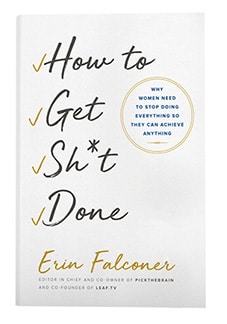
GET THE BOOK BY
ERIN FALCONER!


Thanks for sharing, this is a fantastic blog post. Really looking forward to read more. Will read on…
of course like your web site but you have to check the spelling on quite a few of your posts. A number of them are rife with spelling problems and I find it very bothersome to tell the truth nevertheless I will definitely come back again.
order viagra online buy generic viagra online walmart viagra
cialis price cialis online generic cialis bitcoin
goodrx viagra viagra no doctor prescription viagra prescription online
ed devices online ed meds mens ed
cheap viagra 100mg buy viagra generic mexican viagra
generic viagra online for sale buy viagra from canada viagra prices
I simply want to mention I’m very new to blogs and honestly liked this web blog. More than likely I’m want to bookmark your website . You certainly have amazing writings. Thank you for sharing with us your webpage.
is viagra over the counter viagra over the counter viagra
how to get viagra generic viagra online how much will generic viagra cost
homepage generic viagra what is the best ed drug
buy ed pills ED Pills homepage
over the counter erectile dysfunction pills generic ed pills best ed treatment pills
ed remedies vacuum pump for ed ed prescription drugs
I simply want to say I’m very new to blogging and site-building and definitely savored your blog. Probably I’m likely to bookmark your blog . You surely have really good well written articles. With thanks for sharing with us your web-site.
cialis side effects buy tadalafil cialis going generic in 2019 in us
generic cialis no doctor’s prescription cialis for sale cialis pills for sale
erectile dysfunction medication ed pills online pharmacy best online pharmacy
best canadian online pharmacy
online medications ed drugs online from canada do i have ed
cheap drugs online
soma therapy ed online prescription for ed meds male ed drugs
over the counter erectile dysfunction pills
foods for ed canadian drug pharmacy natural ed treatments
psychological ed treatment
https://zithromaxgeneric500.com/ how to buy zithromax online
https://zithromaxgeneric500.com/ zithromax coupon
Very efficiently written story. It will be valuable to anybody who usess it, as well as yours truly :). Keep doing what you are doing – i will definitely read more posts.
Only a smiling visitor here to share the love (:, btw outstanding design. “Reading well is one of the great pleasures that solitude can afford you.” by Harold Bloom.
https://valtrexgeneric500.com/ order generic valtrex online
Wow! This could be one particular of the most useful blogs We have ever arrive across on this subject. Basically Excellent. I am also a specialist in this topic therefore I can understand your effort.
I just want to mention I’m all new to blogging and truly savored this web page. Almost certainly I’m want to bookmark your website . You absolutely come with superb well written articles. Appreciate it for sharing your webpage.
https://doxycylinegeneric100.com/
You are my intake, I own few blogs and infrequently run out from post :). “Never mistake motion for action.” by Ernest Hemingway.
https://valtrexgeneric500.com/ valtrex price south africa
whoah this blog is wonderful i really like studying your posts. Stay up the great work! You understand, a lot of persons are searching around for this info, you can help them greatly.
cash advance instant online payday loans
Thank you for sharing excellent informations. Your web site is very cool. I am impressed by the details that you¡¦ve on this site. It reveals how nicely you perceive this subject. Bookmarked this website page, will come back for extra articles. You, my friend, ROCK! I found just the information I already searched everywhere and simply could not come across. What a great site.
Hey there! Do you use Twitter? I’d like to follow you if that would be okay. I’m absolutely enjoying your blog and look forward to new updates.
Hello there, just became aware of your blog through Google, and found that it’s truly informative. I am going to watch out for brussels. I will appreciate if you continue this in future. Numerous people will be benefited from your writing. Cheers!
You made some clear points there. I did a search on the issue and found most individuals will approve with your website.
buy cheap tadalafil buy tadalafil
Thank you, I have recently been looking for info about this subject for a while and yours is the best I have came upon so far. But, what in regards to the bottom line? Are you certain about the supply?
Hi my friend! I want to say that this article is amazing, great written and include almost all important infos. I’d like to look extra posts like this .
tadalafil cheap tadalafil
Best view i have ever seen !
Best view i have ever seen !
Good site! I really love how it is simple on my eyes and the data are well written. I’m wondering how I could be notified when a new post has been made. I have subscribed to your RSS feed which must do the trick! Have a great day!
Hi, I do believe this is an excellent web site. I stumbledupon it 😉 I will come back once again since i have book-marked it. Money and freedom is the greatest way to change, may you be rich and continue to guide other people.
I just want to say I’m new to blogging and site-building and truly enjoyed this web site. More than likely I’m likely to bookmark your website . You absolutely come with outstanding posts. Kudos for sharing your website page.
buy generic drugs from canada medications buy generic drugs from canada
Your blog is great as in case it were written by way of a writer. Let me visit your blog often. Thanks always.
Magnificent beat ! I would like to apprentice while you amend your site, how could i subscribe for a blog site? The account aided me a acceptable deal. I had been tiny bit familiar of this your broadcast provided vibrant transparent concept
After research a couple of of the weblog posts in your website now, and I really like your method of blogging. I bookmarked it to my bookmark web site listing and will probably be checking back soon. Pls take a look at my web site as well and let me know what you think.
buy cheap tadalafil tadalafil pharmacy
I am a older women looking to talk. I love sucking dick btw hmu
I’m not sure why but this web site is loading extremely slow for me. Is anyone else having this issue or is it a problem on my end? I’ll check back later on and see if the problem still exists.
Best view i have ever seen !
Best view i have ever seen !
Best view i have ever seen !
you can also give your baby some antibacterial baby socks to ensure that your baby is always clean`
I and also my pals appeared to be checking out the excellent solutions located on your web page while immediately got a horrible suspicion I had not expressed respect to you for those techniques. My guys ended up for that reason stimulated to see them and have in effect certainly been taking advantage of them. Thanks for genuinely considerably kind and also for getting such extraordinary information millions of individuals are really wanting to be informed on. My sincere apologies for not saying thanks to you earlier.
Currently it sounds like Movable Type is the top blogging platform available right now. (from what I’ve read) Is that what you’re using on your blog?
Hey! I enjoyed your article. Keep creating stuff like this. I’ll be back to see more articles like this. It’s very cool. TTYL!
pretty practical stuff, overall I feel this is well worth a bookmark, thanks
I’d like to thank you for the efforts you have put in writing this blog. I really hope to see the same high-grade content from you later on as well. In fact, your creative writing abilities has encouraged me to get my own site now 😉
Thanks for sharing superb informations. Your web site is very cool. I’m impressed by the details that you’ve on this website. It reveals how nicely you understand this subject. Bookmarked this web page, will come back for more articles. You, my pal, ROCK! I found simply the information I already searched everywhere and simply could not come across. What an ideal web-site. cbd for pain cbd for sale
If you are trying to find for the best extreminator company, look no more. These guys rock! The absolute best there is.
I discovered your site web site on yahoo and check a number of your early posts. Preserve within the good operate. I simply additional increase RSS feed to my MSN News Reader. Seeking forward to reading a lot more within you later on!…
This site was… how do I say it? Relevant!! Finally I’ve found something which helped me. Thanks.
I love reading through an article that can make men and women think. Also, thanks for allowing for me to comment.
Awesome blog! Is your theme custom made or did you download it from somewhere? A design like yours with a few simple tweeks would really make my blog stand out. Please let me know where you got your theme. Thank you
What?s Taking place i am new to this, I stumbled upon this I have found It positively helpful and it has aided me out loads. I hope to contribute & help different users like its aided me. Great job.
This is a topic which is near to my heart… Cheers! Exactly where are your contact details though?
I’m extremely impressed with your writing skills as well as with the layout on your blog. Is this a paid theme or did you customize it yourself? Either way keep up the excellent quality writing, it is rare to see a great blog like this one these days..
This was awesome. Look forward to more posts like this! Thanks!
Wonderful post! We are linking to this great post on our website. Keep up the great writing.
There are some interesting points in time on this article but I don’t know if I see all of them middle to heart. There may be some validity but I’ll take hold opinion till I look into it further. Good article , thanks and we want more! Added to FeedBurner as well
This is the perfect blog for everyone who wishes to understand this topic. You understand so much its almost hard to argue with you (not that I personally will need to…HaHa). You certainly put a fresh spin on a topic that has been discussed for many years. Great stuff, just great.
Cheap Replica Handbags You guide me by sharing this toolbox i face problem whenever i exploit this promotion reading your blog i am able to easily use.Wanda Kuehn
When I originally commented I seem to have clicked the -Notify me when new comments are added- checkbox and from now on whenever a comment is added I receive 4 emails with the same comment. There has to be a means you are able to remove me from that service? Many thanks.
I’m not sure why but this web site is loading incredibly slow for me. Is anyone else having this problem or is it a problem on my end? I’ll check back later and see if the problem still exists.
I like this weblog so much, saved to fav. “American soldiers must be turned into lambs and eating them is tolerated.” by Muammar Qaddafi.
Very good information. Lucky me I found your blog by accident (stumbleupon). I’ve book marked it for later!
An outstanding share! I have just forwarded this onto a co-worker who has been doing a little research on this. And he actually bought me dinner due to the fact that I found it for him… lol. So let me reword this…. Thank YOU for the meal!! But yeah, thanx for spending the time to talk about this subject here on your web site.
This site is amazing. I’ll return soon to read more. Thanks so much! Have a great day!
There is evidently a lot to realize about this. I suppose you made certain nice points in features also.
You made some nice points there. I looked on the internet for the subject and found most people will consent with your blog.
Merely wanna remark that you have a very decent site, I love the design it really stands out.
I was able to find good information from your blog posts.
I loved as much as you’ll receive carried out right here. The sketch is tasteful, your authored subject matter stylish. nonetheless, you command get got an nervousness over that you wish be delivering the following. unwell unquestionably come further formerly again since exactly the same nearly very often inside case you shield this hike.
Everything is very open with a really clear clarification of the issues. It was definitely informative. Your website is very useful. Thanks for sharing.
I will immediately snatch your rss as I can’t in finding your email subscription link or newsletter service. Do you’ve any? Please let me recognize so that I may just subscribe. Thanks.
Heya! I just wanted to ask if you ever have any problems with hackers? My last blog (wordpress) was hacked and I ended up losing several weeks of hard work due to no back up. Do you have any methods to stop hackers?
Hi, I do believe this is an excellent site. I stumbledupon it 😉 I may come back once again since I book-marked it. Money and freedom is the greatest way to change, may you be rich and continue to guide others.
It is in reality a nice and useful piece of information. I am happy that you just shared this useful info with us. Please keep us informed like this. Thanks for sharing.
I’ve been absent for some time, but now I remember why I used to love this website. Thanks , I¡¦ll try and check back more often. How frequently you update your web site?
I’m amazed, I have to admit. Rarely do I encounter a blog that’s both educative and amusing, and without a doubt, you’ve hit the nail on the head. The problem is an issue that too few people are speaking intelligently about. I am very happy that I stumbled across this in my search for something regarding this.
ceramic floor tiles are the best, i used to have linoleum tiles but they do not last very long;
Hey there would you mind letting me know which hosting company you’re utilizing? I’ve loaded your blog in 3 completely different browsers and I must say this blog loads a lot faster then most. Can you suggest a good internet hosting provider at a reasonable price? Thanks a lot, I appreciate it!
Greetings, There’s no doubt that your website could be having web browser compatibility problems. Whenever I look at your website in Safari, it looks fine but when opening in IE, it’s got some overlapping issues. I simply wanted to give you a quick heads up! Aside from that, wonderful blog.
Your style is so unique compared to other folks I have read stuff from. I appreciate you for posting when you’ve got the opportunity, Guess I’ll just book mark this page.
Great post. I’m dealing with many of these issues as well..
Great write-up, I’m normal visitor of one’s site, maintain up the excellent operate, and It is going to be a regular visitor for a lengthy time.
This blog was… how do you say it? Relevant!! Finally I’ve found something that helped me. Cheers!
I happen to be commenting to make you understand of the incredible experience my wife’s child found viewing the blog. She learned such a lot of details, not to mention what it’s like to possess a marvelous teaching heart to make many more easily learn about a number of advanced matters. You undoubtedly exceeded visitors’ desires. Thanks for distributing the invaluable, trustworthy, explanatory and even cool thoughts on this topic to Sandra.
Hey there! Quick question that’s entirely off topic. Do you know how to make your site mobile friendly? My web site looks weird when browsing from my iphone. I’m trying to find a template or plugin that might be able to resolve this issue. If you have any suggestions, please share. Appreciate it!
It’s nearly impossible to find experienced people in this particular subject, but you seem like you know what you’re talking about! Thanks
Whoah this weblog is great i love studying your articles. Keep up the great work! You know, many people are searching around for this info, you could aid them greatly.
May I just say what a relief to find a person that truly knows what they are talking about on the web. You certainly realize how to bring an issue to light and make it important. More people need to check this out and understand this side of your story. I was surprised that you aren’t more popular because you surely possess the gift.
Aw, this was a really nice post. In concept I want to put in writing like this additionally – taking time and precise effort to make an excellent article… however what can I say… I procrastinate alot and on no account seem to get one thing done.
I have recently started a site, the info you offer on this web site has helped me greatly. Thanks for all of your time & work.
you’re truly a good webmaster. The website loading velocity is amazing. It sort of feels that you are doing any distinctive trick. Moreover, The contents are masterpiece. you have performed a wonderful process in this topic!
Howdy! I could have sworn I’ve visited this blog before but after looking at many of the posts I realized it’s new to me. Anyhow, I’m definitely happy I came across it and I’ll be book-marking it and checking back regularly!
Howdy! I could have sworn I’ve visited this web site before but after going through some of the posts I realized it’s new to me. Anyhow, I’m certainly pleased I stumbled upon it and I’ll be bookmarking it and checking back regularly.
I want to show my appreciation to this writer just for rescuing me from such a circumstance. As a result of surfing through the world-wide-web and coming across views which are not helpful, I was thinking my life was over. Existing devoid of the approaches to the problems you have sorted out all through your main guide is a serious case, as well as the ones that could have in a wrong way affected my entire career if I hadn’t noticed the website. That training and kindness in taking care of all the details was very useful. I’m not sure what I would’ve done if I had not discovered such a step like this. I can at this time look forward to my future. Thanks very much for your impressive and amazing guide. I will not think twice to suggest your web page to anybody who ought to have guide about this matter.
Very efficiently written post. It will be supportive to anybody who usess it, as well as me. Keep up the good work – i will definitely read more posts.
As a Newbie, I am constantly browsing online for articles that can help me. Thank you
A few things i don’t understood is at truth how you are now not necessarily really a lot more neatly-favored as compared to you may be right now. You might be so smart. You already know thus considerably concerning this matter, taught me to be separately consider it from the large amount of different sides. It’s just like people are certainly not intrigued until it is something to accomplish along with Girl coo! Your individual stuffs outstanding. All the time look after up!
Pretty! This was an incredibly wonderful article. Thank you for supplying this info.
I just could not go away your website before suggesting that I really enjoyed the standard info a person provide on your visitors? Is going to be back often to check up on new posts
It’s difficult to find experienced people about this topic, however, you seem like you know what you’re talking about! Thanks
Everything is very open with a very clear explanation of the challenges. It was definitely informative. Your website is very useful. Thank you for sharing.
Great beat ! I wish to apprentice while you amend your web site, how can i subscribe for a blog website? The account helped me a acceptable deal. I had been tiny bit acquainted of this your broadcast offered bright clear idea
Hello, i think that i saw you visited my site thus i came to “return the favor”.I am trying to find things to enhance my website!I suppose its ok to use some of your ideas!!
Youre so cool! I dont suppose Ive learn something like this before. So nice to find someone with some authentic thoughts on this subject. realy thank you for starting this up. this web site is one thing that is needed on the web, somebody with a little bit originality. useful job for bringing one thing new to the web!
Hi there! This blog post could not be written much better! Looking at this article reminds me of my previous roommate! He continually kept preaching about this. I’ll forward this information to him. Pretty sure he will have a good read. Thanks for sharing!
Hi there, I discovered your blog by means of Google even as searching for a comparable subject, your web site got here up, it seems to be good. I’ve bookmarked it in my google bookmarks.
Having read this I thought it was rather informative. I appreciate you spending some time and energy to put this content together. I once again find myself spending a significant amount of time both reading and posting comments. But so what, it was still worth it!
Good site! I really love how it is easy on my eyes and the data are well written. I’m wondering how I might be notified when a new post has been made. I’ve subscribed to your feed which must do the trick! Have a nice day!
I happen to be commenting to let you be aware of of the perfect experience my princess developed viewing your site. She came to understand a wide variety of things, most notably what it’s like to possess a great helping heart to have the rest with ease understand a variety of complex issues. You undoubtedly exceeded our own expectations. Thank you for displaying these good, trusted, edifying and as well as easy tips on that topic to Mary.
I’m impressed, I need to say. Actually hardly ever do I encounter a blog that’s each educative and entertaining, and let me let you know, you will have hit the nail on the head. Your thought is outstanding; the problem is something that not sufficient people are speaking intelligently about. I am very happy that I stumbled across this in my search for something relating to this.
I just could not depart your site before suggesting that I actually enjoyed the standard information a person provide for your visitors? Is going to be back often to check up on new posts
Hi there very nice blog!! Man .. Excellent .. Wonderful .. I will bookmark your site and take the feeds also¡KI am glad to search out a lot of useful information here within the post, we’d like work out extra techniques in this regard, thanks for sharing. . . . . .
Usually I do not learn article on blogs, but I would like to say that this write-up very compelled me to try and do it! Your writing taste has been surprised me. Thanks, very nice article.
I really appreciate this post. I have been looking all over for this! Thank goodness I found it on Bing. You have made my day! Thank you again
You’ve made some really good points there. I checked on the web to learn more about the issue and found most individuals will go along with your views on this web site.
With havin so much written content do you ever run into any problems of plagorism or copyright violation? My blog has a lot of completely unique content I’ve either authored myself or outsourced but it seems a lot of it is popping it up all over the web without my agreement. Do you know any methods to help reduce content from being ripped off? I’d definitely appreciate it.
Hi! Someone in my Facebook group shared this site with us so I came to take a look. I’m definitely loving the information. I’m bookmarking and will be tweeting this to my followers! Superb blog and excellent design.
I like this blog so much, saved to my bookmarks .press release
Your style is so unique in comparison to other folks I have read stuff from. Thanks for posting when you have the opportunity, Guess I’ll just bookmark this page.
I don’t even know how I ended up here, but I thought this post was great. I don’t know who you are but definitely you are going to a famous blogger if you aren’t already 😉 Cheers!
I wanted to thank you for this wonderful read!! I definitely loved every little bit of it. I have got you bookmarked to check out new things you post…
I really enjoyed this content and will be back to see more Love it!
We are a group of volunteers and opening a new scheme in our community. Your website offered us with valuable info to work on. You have done a formidable job and our entire community will be grateful to you.
Of course, what a fantastic site and instructive posts, I surely will bookmark your site.Best Regards!
Hello, i think that i saw you visited my blog thus i came to “return the favor”.I am attempting to find things to improve my web site!I suppose its ok to use a few of your ideas!!
Generally I don’t read post on blogs, but I wish to say that this write-up very forced me to try and do so! Your writing style has been surprised me. Thanks, quite nice post.
I am continuously browsing online for ideas that can benefit me. Thx!
I simply couldn’t depart your web site before suggesting that I extremely loved the usual information an individual provide for your visitors? Is going to be back often to inspect new posts
Hello! This is my 1st comment here so I just wanted to give a quick shout out and tell you I really enjoy reading your articles. Can you suggest any other blogs/websites/forums that deal with the same topics? Thanks for your time!
With havin so much content do you ever run into any problems of plagorism or copyright violation? My website has a lot of completely unique content I’ve either written myself or outsourced but it looks like a lot of it is popping it up all over the internet without my agreement. Do you know any ways to help stop content from being stolen? I’d truly appreciate it.
Youre so cool! I dont suppose Ive read anything this way just before. So nice to get somebody with many original ideas on this subject. realy i appreciate you for starting this up. this website is one thing that is needed online, someone with some originality. valuable project for bringing something new for the internet!
Its like you read my mind! You appear to know so much about this, like you wrote the book in it or something. I think that you could do with a few pics to drive the message home a bit, but other than that, this is fantastic blog. An excellent read. I will definitely be back.
you may have an excellent blog here! would you wish to make some invite posts on my blog?
My brother recommended I might like this web site. He was entirely right. This post truly made my day. You can not imagine just how much time I had spent for this information! Thanks!
Greetings! I’ve been following your website for a long time now and finally got the bravery to go ahead and give you a shout out from Dallas Texas! Just wanted to tell you keep up the good work!
Howdy, i read your blog from time to time and i own a similar one and i was just curious if you get a lot of spam remarks? If so how do you stop it, any plugin or anything you can recommend? I get so much lately it’s driving me crazy so any help is very much appreciated.
I do not even know how I stopped up here, however I believed this put up was once good. I don’t know who you’re however definitely you are going to a famous blogger in the event you aren’t already 😉 Cheers!
I appreciate, result in I found just what I was taking a look for. You have ended my four day lengthy hunt! God Bless you man. Have a nice day. Bye
Thank you so much for giving everyone remarkably splendid opportunity to read articles and blog posts from this web site. It’s usually so pleasurable and stuffed with amusement for me and my office mates to search your website a minimum of thrice in a week to see the new stuff you have got. And indeed, we’re actually fascinated considering the staggering pointers you serve. Some 3 points in this posting are in truth the finest I’ve had.
Howdy! Someone in my Facebook group shared this website with us so I came to take a look. I’m definitely enjoying the information. I’m book-marking and will be tweeting this to my followers! Exceptional blog and outstanding style and design.
Thanks a lot for sharing this with all folks you actually understand what you are talking about! Bookmarked. Please additionally consult with my site =). We can have a link change agreement among us!
When I initially commented I clicked the “Notify me when new comments are added” checkbox and now each time a comment is added I get three e-mails with the same comment. Is there any way you can remove me from that service? Thanks!
Hello, I think your website might be having browser compatibility issues. When I look at your website in Opera, it looks fine but when opening in Internet Explorer, it has some overlapping. I just wanted to give you a quick heads up! Other then that, great blog!
Wow! This can be one particular of the most beneficial blogs We have ever arrive across on this subject. Basically Fantastic. I’m also a specialist in this topic so I can understand your hard work.
My brother recommended I might like this blog. He was totally right. This post truly made my day. You cann’t imagine simply how much time I had spent for this information! Thanks!
I like what you guys are usually up too. This kind of clever work and exposure! Keep up the awesome works guys I’ve you guys to our blogroll.
As a Newbie, I am constantly browsing online for articles that can benefit me. Thank you
Admiring the time and energy you put into your blog and detailed information you present. It’s nice to come across a blog every once in a while that isn’t the same outdated rehashed material. Fantastic read! I’ve bookmarked your site and I’m adding your RSS feeds to my Google account.
Howdy! Quick question that’s completely off topic. Do you know how to make your site mobile friendly? My site looks weird when browsing from my iphone 4. I’m trying to find a theme or plugin that might be able to correct this issue. If you have any recommendations, please share. Appreciate it!
Wonderful site. Lots of useful info here. I am sending it to some friends ans also sharing in delicious. And certainly, thanks for your effort!
I am a older women looking to chat. I love sucking dick btw hmu
This is really interesting, You are a very skilled blogger. I’ve joined your rss feed and look forward to seeking more of your wonderful post. Also, I’ve shared your website in my social networks!
Hi there this is kinda of off topic but I was wondering if blogs use WYSIWYG editors or if you have to manually code with HTML. I’m starting a blog soon but have no coding knowledge so I wanted to get advice from someone with experience. Any help would be greatly appreciated!
Great blog here! Also your site loads up fast! What web host are you using? Can I get your affiliate link to your host? I wish my web site loaded up as quickly as yours lol
Undeniably believe that which you said. Your favorite reason seemed to be at the internet the easiest thing to bear in mind of. I say to you, I certainly get annoyed while other folks consider worries that they plainly do not realize about. You managed to hit the nail upon the highest as well as outlined out the whole thing with no need side effect , folks could take a signal. Will probably be again to get more. Thanks
Hello. excellent job. I did not anticipate this. This is a great story. Thanks!
online pharmacy viagra canada viagra buy viagra online canada
Hey just wanted to give you a brief heads up and let you know a few of the images aren’t loading correctly. I’m not sure why but I think its a linking issue. I’ve tried it in two different internet browsers and both show the same results.
Youre so cool! I dont suppose Ive learn something like this before. So nice to search out any person with some unique ideas on this subject. realy thanks for beginning this up. this web site is something that is needed on the web, someone with slightly originality. helpful job for bringing something new to the web!
hi!,I like your writing very much! share we communicate more about your article on AOL? I need a specialist on this area to solve my problem. Maybe that’s you! Looking forward to see you.
My spouse and i got absolutely relieved that Jordan managed to carry out his preliminary research out of the precious recommendations he came across out of your web page. It is now and again perplexing to just possibly be making a gift of tips that some others may have been selling. And we grasp we need the writer to thank for this. The explanations you have made, the easy web site navigation, the relationships your site aid to promote – it is many fantastic, and it’s letting our son and our family consider that the topic is thrilling, and that’s particularly fundamental. Thank you for the whole lot!
Can I simply say what a relief to seek out someone who really knows what theyre speaking about on the internet. You positively know methods to deliver a problem to light and make it important. Extra folks have to learn this and understand this side of the story. I cant believe youre not more well-liked since you undoubtedly have the gift.
Hi my family member! I want to say that this post is amazing, nice written and come with almost all important infos. I would like to peer more posts like this .
Thanks for your marvelous posting! I really enjoyed reading it, you can be a great author.I will ensure that I bookmark your blog and will eventually come back at some point. I want to encourage you to definitely continue your great work, have a nice day!
Great – I should definitely pronounce, impressed with your web site. I had no trouble navigating through all tabs as well as related info ended up being truly easy to do to access. I recently found what I hoped for before you know it at all. Quite unusual. Is likely to appreciate it for those who add forums or anything, website theme . a tones way for your customer to communicate. Excellent task..
There’s definately a great deal to know about this issue. I love all of the points you made.
I must say, as a lot as I enjoyed reading what you had to say, I couldnt help but lose interest after a while. Its as if you had a wonderful grasp on the subject matter, but you forgot to include your readers. Perhaps you should think about this from far more than one angle. Or maybe you shouldnt generalise so considerably. Its better if you think about what others may have to say instead of just going for a gut reaction to the subject. Think about adjusting your own believed process and giving others who may read this the benefit of the doubt.Jobs offered
Wow, incredible blog format! How long have you ever been running a blog for? you made blogging look easy. The total look of your site is excellent, let alone the content material!
Enjoy your blog. I’ll return to see more of your stuff. Awesome stuff!
You should take part in a contest for one of the best blogs on the internet. I will highly recommend this blog!
When I initially commented I clicked the “Notify me when new comments are added” checkbox and now each time a comment is added I get several emails with the same comment. Is there any way you can remove people from that service? Thanks a lot!
There are definitely quite a lot of details like that to take into consideration. That could be a nice level to carry up. I offer the thoughts above as normal inspiration however clearly there are questions like the one you bring up the place the most important thing will be working in honest good faith. I don?t know if best practices have emerged round issues like that, but I’m sure that your job is clearly recognized as a fair game. Each boys and girls really feel the impression of just a second’s pleasure, for the rest of their lives.
Greetings! Very useful advice within this article! It’s the little changes that make the greatest changes. Thanks a lot for sharing!
Oh my goodness! Amazing article dude! Thank you, However I am encountering problems with your RSS. I don’t know why I am unable to join it. Is there anybody else having similar RSS issues? Anybody who knows the solution will you kindly respond? Thanks!
you are in reality a good webmaster. The web site loading pace is incredible. It seems that you’re doing any distinctive trick. Furthermore, The contents are masterpiece. you have performed a fantastic process in this subject!
We stumbled over here by a different web address and thought I should check things out. I like what I see so now i’m following you. Look forward to looking at your web page again.
Heya i’m for the first time here. I came across this board and I in finding It truly helpful & it helped me out much. I’m hoping to provide something again and aid others such as you helped me.
An impressive share! I have just forwarded this onto a friend who has been doing a little research on this. And he in fact bought me lunch due to the fact that I found it for him… lol. So allow me to reword this…. Thanks for the meal!! But yeah, thanks for spending time to discuss this matter here on your web page.
My brother suggested I may like this blog. He was entirely right. This post truly made my day. You cann’t imagine just how so much time I had spent for this information! Thank you!
I’ll right away clutch your rss feed as I can not to find your e-mail subscription hyperlink or e-newsletter service. Do you’ve any? Kindly permit me recognise so that I may just subscribe. Thanks.
wonderful points altogether, you simply gained a new reader. What would you recommend about your post that you made a few days ago? Any positive?
Keep working ,splendid job!
Do you mind if I quote a few of your articles as long as I provide credit and sources back to your site? My blog is in the very same niche as yours and my visitors would really benefit from some of the information you provide here. Please let me know if this alright with you. Regards!
I would like to thank you for the efforts you have put in writing this website. I am hoping to view the same high-grade blog posts from you in the future as well. In fact, your creative writing abilities has motivated me to get my own blog now 😉
I have to show appreciation to this writer just for rescuing me from this incident. Right after surfing around through the world wide web and getting recommendations which are not pleasant, I figured my entire life was done. Living minus the approaches to the difficulties you’ve resolved by means of your entire review is a critical case, and the kind that could have badly damaged my entire career if I had not come across your website. Your own personal ability and kindness in playing with all the stuff was helpful. I don’t know what I would’ve done if I had not encountered such a step like this. I can now relish my future. Thanks so much for your expert and sensible help. I won’t hesitate to refer the website to anybody who requires counselling about this matter.
I was wondering if you ever thought of changing the page layout of your website? Its very well written; I love what youve got to say. But maybe you could a little more in the way of content so people could connect with it better. Youve got an awful lot of text for only having one or 2 images. Maybe you could space it out better?
Hey There. I found your blog using msn. This is a very well written article. I will be sure to bookmark it and come back to read more of your useful information. Thanks for the post. I’ll definitely comeback.
I really like looking through a post that will make men and women think. Also, thank you for permitting me to comment.
Thank you, I’ve recently been looking for info about this subject for ages and yours is the best I’ve discovered so far. But, what about the conclusion? Are you sure about the source?
Hey there! This blog is awesome! We’ll be back to see some more. Thanks so much.
Do you have a spam issue on this blog; I also am a blogger, and I was wanting to know your situation; we have developed some nice methods and we are looking to swap solutions with other folks, please shoot me an email if interested.
There is definately a lot to learn about this issue. I like all of the points you made.
I just couldn’t leave your website prior to suggesting that I actually loved the usual information a person provide to your visitors? Is going to be back ceaselessly in order to inspect new posts.
I cherished as much as you’ll obtain performed proper here. The cartoon is attractive, your authored subject matter stylish. nonetheless, you command get got an shakiness over that you want be turning in the following. in poor health without a doubt come more in the past once more since precisely the same just about a lot frequently inside case you defend this hike.
I’m impressed, I must say. Rarely do I come across a blog that’s both equally educative and entertaining, and without a doubt, you have hit the nail on the head. The problem is something not enough men and women are speaking intelligently about. Now i’m very happy that I found this in my hunt for something regarding this.
Very good site, many thanks for your time
Great paintings! That is the type of information that are meant to be shared around the net. Shame on Google for no longer positioning this submit upper! Come on over and visit my site . Thanks =)
An intriguing discussion is worth comment. I believe that you ought to write more on this subject matter, it may not be a taboo subject but usually folks don’t talk about these subjects. To the next! All the best!!
Hello! I really enjoyed reading your article. I’ll return to read again soon.
We are a group of volunteers and starting a new scheme in our community. Your site provided us with valuable info to work on. You’ve done a formidable job and our entire community will be thankful to you.
Thanks for sharing superb informations. Your web site is so cool. I am impressed by the details that you’ve on this website. It reveals how nicely you understand this subject. Bookmarked this web page, will come back for more articles. You, my friend, ROCK! I found just the info I already searched all over the place and simply could not come across. What a great site.
Pretty nice post. I just stumbled upon your blog and wanted to say that I’ve truly enjoyed surfing around your blog posts. In any case I will be subscribing to your rss feed and I hope you write again soon!
I do agree with all the ideas you’ve presented in your post. They are very convincing and will definitely work. Still, the posts are too short for beginners. Could you please extend them a little from next time? Thanks for the post.
Hmm is anyone else experiencing problems with the pictures on this blog loading? I’m trying to figure out if its a problem on my end or if it’s the blog. Any feed-back would be greatly appreciated.
drugs and medications cheap Cipro aspirin and ed
Can I just say what a relief to discover somebody that truly knows what they are discussing on the internet. You certainly understand how to bring an issue to light and make it important. A lot more people really need to check this out and understand this side of the story. I can’t believe you are not more popular given that you certainly possess the gift.
I wish to show appreciation to this writer for rescuing me from such a predicament. As a result of surfing through the the web and obtaining proposals that were not beneficial, I figured my entire life was gone. Existing without the solutions to the issues you have fixed by means of your report is a critical case, as well as the ones that could have negatively damaged my entire career if I hadn’t discovered your blog post. Your good natural talent and kindness in touching all the pieces was valuable. I am not sure what I would’ve done if I hadn’t encountered such a solution like this. I am able to at this point relish my future. Thanks for your time very much for this skilled and sensible help. I will not be reluctant to endorse your web sites to any person who should have tips about this subject matter.
Success thought u have shared.
viagra vs cialis vs levitra buy cialis cialis ingredient
Magnificent beat ! I would like to apprentice while you amend your website, how could i subscribe for a blog web site? The account helped me a acceptable deal. I had been tiny bit familiar of this your broadcast offered bright clear concept
where to buy viagra cheap viagra viagra without prescription
Very good article! We will be linking to this particularly great content on our website. Keep up the good writing.
best online drugstore buy Doxycyline online best drugs for erectile dysfunction
This site really has all of the info I needed concerning this subject and didn’t know who to ask.
Virtually all of what you mention is astonishingly accurate and it makes me ponder why I hadn’t looked at this in this light previously. This piece truly did turn the light on for me as far as this specific subject goes. However there is one particular issue I am not really too comfortable with so while I make an effort to reconcile that with the central idea of the point, allow me observe just what the rest of the visitors have to point out.Very well done.
pump for ed buy Nolvadex online generic ed pills
You’re so cool! I do not think I’ve truly read anything like that before. So good to find another person with original thoughts on this topic. Really.. thanks for starting this up. This web site is something that’s needed on the web, someone with some originality.
buy cialis fda warning list cialis 30 day cialis trial offer
That is a good tip especially to those fresh to the blogosphere. Short but very precise info… Thanks for sharing this one. A must read article.
I am very happy to read this. This is the kind of manual that needs to be given and not the random misinformation that is at the other blogs. Appreciate your sharing this best doc.
Everything is very open with a precise clarification of the issues. It was really informative. Your website is very helpful. Thanks for sharing!
Thanks for writing this great article. I’ll be back to see more sometime.
erectile dysfunction pills cheap Nolvadex best ed medicine
I was able to find good information from your blog posts.
cialis lowest price cialis cialis tolerance
Right here is the perfect website for everyone who wants to understand this topic. You know so much its almost hard to argue with you (not that I personally would want to…HaHa). You certainly put a fresh spin on a subject which has been written about for a long time. Excellent stuff, just excellent.
is it illegal to buy prescription drugs online best otc ed pills over the counter erectile dysfunction pills
I have to thank you for the efforts you’ve put in writing this blog. I’m hoping to view the same high-grade content by you in the future as well. In fact, your creative writing abilities has motivated me to get my very own blog now 😉
After I originally commented I seem to have clicked the -Notify me when new comments are added- checkbox and from now on each time a comment is added I get 4 emails with the exact same comment. Perhaps there is an easy method you are able to remove me from that service? Kudos.
cure ed canada drugs online ed medicine online
cvs viagra viagra for sale online doctor prescription for viagra
how to take cialis cialis before and after cialis coupons printable
ed meds buy Cipro online natural remedies for ed
I have been browsing online more than 3 hours today, yet I never found any interesting article like yours. It’s pretty worth enough for me. Personally, if all webmasters and bloggers made good content as you did, the net will be a lot more useful than ever before.
Greetings! I know this is kinda off topic however I’d figured I’d ask. Would you be interested in exchanging links or maybe guest writing a blog post or vice-versa? My website addresses a lot of the same topics as yours and I think we could greatly benefit from each other. If you are interested feel free to shoot me an e-mail. I look forward to hearing from you! Excellent blog by the way!
generic viagra online viagra pill viagra buy generic viagra
My brother suggested I would possibly like this blog. He was entirely right. This publish truly made my day. You can not imagine simply how much time I had spent for this information! Thanks!
http://www.marathonorg.com/__media__/js/netsoltrademark.php?d=bestpornsites.club/
Awsome website! I am loving it!! Will be back later to read some more. I am bookmarking your feeds also.
Your style is unique in comparison to other folks I have read stuff from. Thank you for posting when you have the opportunity, Guess I will just book mark this web site.
I blog frequently and I truly appreciate your content. This article has truly peaked my interest. I am going to book mark your website and keep checking for new details about once a week. I subscribed to your RSS feed too.
online drugstore: ed products cheap pills online
Everyone loves it when people come together and share ideas. Great website, stick with it!
Thank you for sharing. I love sucking dick btw hmu
Woah! I’m really enjoying the template/theme of this site. It’s simple, yet effective. A lot of times it’s difficult to get that “perfect balance” between usability and visual appearance. I must say you’ve done a amazing job with this. Additionally, the blog loads super quick for me on Opera. Superb Blog!
Saved as a favorite, I really like your blog.
meds online without doctor prescription: online ed meds canadian drugs online
An outstanding share! I have just forwarded this onto a friend who has been doing a little homework on this. And he in fact bought me dinner due to the fact that I stumbled upon it for him… lol. So allow me to reword this…. Thank YOU for the meal!! But yeah, thanks for spending the time to talk about this issue here on your web site.
wonderful post, very informative. I wonder why the opposite specialists of this sector do not understand this. You should continue your writing. I am sure, you have a huge readers’ base already!
This is a topic that’s near to my heart… Cheers! Where can I find the contact details for questions?
Best view i have ever seen !
After checking out a handful of the blog posts on your blog, I honestly like your way of blogging. I book-marked it to my bookmark website list and will be checking back in the near future. Please visit my website as well and let me know how you feel.
That is a good tip especially to those fresh to the blogosphere. Short but very precise info… Many thanks for sharing this one. A must read article!
I want to read more things about it!
The crux of your writing whilst sounding agreeable originally, did not settle properly with me after some time. Someplace within the sentences you were able to make me a believer unfortunately just for a very short while. I still have got a problem with your leaps in logic and one would do nicely to fill in all those breaks. When you can accomplish that, I will certainly end up being impressed.
I truly love your site.. Excellent colors & theme. Did you develop this amazing site yourself? Please reply back as I’m wanting to create my very own website and would like to learn where you got this from or what the theme is called. Many thanks!
Very nice blog post. I absolutely love this site. Continue the good work!
Great info. Lucky me I discovered your site by chance (stumbleupon). I have bookmarked it for later!
Everything is very open with a precise explanation of the challenges. It was truly informative. Your site is extremely helpful. Thanks for sharing!
Thank you for the auspicious writeup. It in fact was a amusement account it
Greetings from Los angeles! I’m bored to death at work so I decided to check out your site on my iphone during lunch break. I love the knowledge you present here and can’t wait to take a look when I get home. I’m shocked at how quick your blog loaded on my mobile .. I’m not even using WIFI, just 3G .. Anyways, great blog!
This is a topic that’s close to my heart… Many thanks! Where can I find the contact details for questions?
best kratom vendors
Go to Pure CBD Selection for the best pure cbd oil. You can buy pure cbd oil that is full spectrum or broad spectrum. Make sure to sign up for there newsletter to receive a free coupon code.
Great blog, keep it up!
cialis coupons 2019 cialis without a doctor’s prescription does viagra or cialis help with pe
Good post. I learn something new and challenging on blogs I stumbleupon every day. It will always be useful to read articles from other writers and use a little something from other sites.
An intriguing discussion is worth comment. I think that you simply really should write much more on this topic, it could possibly not be a taboo subject but normally folks aren’t enough to speak on such topics. To the next. Cheers
That is a really good tip especially to those new to the blogosphere. Brief but very accurate information… Many thanks for sharing this one. A must read post!
over the counter viagra buy generic viagra cheap viagra online
WONDERFUL Post.thanks for share..more wait .. …
I am typically to blog writing as well as i really value your content. The write-up has actually peaks my interest. I am mosting likely to bookmark your site and also keep looking for brand-new information.
http://whitneywright.com/__media__/js/netsoltrademark.php?d=bestpornsites.club/
Hey! I enjoyed this blog post. Thank you for writing it. I’ll return to enjoy more.
Hi, I do believe this is a great blog. I stumbledupon it 😉 I am going to return once again since I book marked it. Money and freedom is the greatest way to change, may you be rich and continue to guide others.
cheap erectile dysfunction pill canadian pharmacies shipping usa cause of ed
I blog frequently and I seriously thank you for your information. This great article has really peaked my interest. I’m going to take a note of your site and keep checking for new information about once per week. I subscribed to your RSS feed as well.
I just found this blog and have high hopes for it to continue. Keep up the great work, its hard to find good ones. I have added to my favorites. Thank You.
Thanks for the informative and helpful post, obviously in your blog everything is good.
viagra from india viagra cost walmart viagra
I want to to thank you for this wonderful read!! I certainly enjoyed every bit of it. I’ve got you book marked to check out new things you post…
treatment for ed viagra online canada pharmacy cheap erectile dysfunction pills
http://www.centuryfurniture.be/__media__/js/netsoltrademark.php?d=bestpornsites.club
prescription drugs online buy cialis in canada online ed meds pills drugs
I do not even know the way I finished up right here, however I thought this put up was once great. I do not understand who you are however definitely you’re going to a well-known blogger if you happen to are not already 😉 Cheers!
I have to thank you for the efforts you’ve put in writing this site. I am hoping to check out the same high-grade content from you later on as well. In fact, your creative writing abilities has motivated me to get my very own website now 😉
Good post! We are linking to this particularly great content on our website. Keep up the great writing.
how much viagra should i take the first time? can you buy viagra over the counter viagra cheap
Go to Pure CBD Selection for the best pure cbd oil. You can buy pure cbd oil that is full spectrum or broad spectrum. Make sure to sign up for there newsletter to receive a free coupon code.
http://www.valuenetwork.com/__media__/js/netsoltrademark.php?d=bestpornsites.club
I could not refrain from commenting. Perfectly written!
Hiya! Quick question that’s entirely off topic. Do you know how to make your site mobile friendly? My blog looks weird when viewing from my apple iphone. I’m trying to find a template or plugin that might be able to correct this problem. If you have any recommendations, please share. Cheers!
from lat. manus – “hand” and scribo – “I write”) ]
I truly appreciate this article post.Really thank you! Awesome. Earnest Blough
You should be a part of a contest for one of the most useful websites online. I will highly recommend this website!
Go to Pure CBD Selection for the best pure cbd oil. You can buy pure cbd oil that is full spectrum or broad spectrum. Make sure to sign up for there newsletter to receive a free coupon code.
I really like looking through a post that can make people think. Also, many thanks for allowing for me to comment.
Thank you for the sensible critique. Me and my neighbor were just preparing to do a little research about this. We got a grab a book from our local library but I think I learned more from this post. I am very glad to see such fantastic information being shared freely out there.
男性用のリアルなダッチワイフのいくつかは、明らかに楽しみを高めるうめき声の質を持っています。 したがって、購入する前にすべての機能を確認してください。 すべてのオプションをチェックし、すべての機能が動作状態にあることを確認します。 ラブドール 高級
This actually answered my problem, thanks!
Excellent blog here! Also your web site loads up very fast! Sex Doll Blog
As always, you have the best quality content, thank you. https://takipciduragi.net/instagram-reels-izlenme-satin-al
Aw, this was a really nice post. In idea I want to put in writing like this additionally – taking time and precise effort to make an excellent article… however what can I say… I procrastinate alot and not at all appear to get something done.
Iím impressed, I have to admit. Seldom do I come across a blog thatís both equally educative and entertaining, and let me tell you, you have hit the nail on the head. The issue is an issue that too few people are speaking intelligently about. I am very happy that I found this in my hunt for something relating to this.
Aw, this was an extremely good post. Spending some time and actual effort to make a good articleÖ but what can I sayÖ I hesitate a whole lot and never seem to get nearly anything done.
Good post! We will be linking to this particularly great article on our site. Keep up the good writing.
An impressive share! I’ve just forwarded this onto a colleague who was conducting a little research on this. And he actually ordered me breakfast due to the fact that I discovered it for him… lol. So allow me to reword this…. Thanks for the meal!! But yeah, thanx for spending some time to discuss this issue here on your site.
What people in the world. What a great article you wrote. Thanks
Hi to all, the contents existing at this site are truly awesome for people experience, well, keep up the nice work fellows.|
Appreciation to my father who told me regarding this blog, this weblog is in fact amazing.|
The data is real I guess because I guessed it turned out
An Excellent App indeed
에볼루션코리아
661LhlZmk<*-
에볼루션바카라
381ouWsLC},{
에볼루션블랙잭490svcyxC^:|
The best e-cigarette liquid site in Korea. Korea’s lowest-priced 전자담배 액상 사이트 e-cigarette liquid.
스모크밤966 스모크밤
전자담배 액상 사이트 The best e-cigarette liquid site in Korea. smok25 Korea’s lowest-priced e-cigarette liquid. 스모크밤179 스모크밤
Highly descriptive post, I enjoyed that a lot. Will there be a part 2?|
Very good article. I absolutely love this site. Keep it up!|
Yerli ve yabancı film izle, türkçe dublaj ve altyazılı olarak en yeni ve güncel olan filmleri Full HD kalitesinde online izleyebilirsiniz.
강남카지노
375JDkcfv\%.
강남사설카지노
009ndPUdK`._
강남카지노
002ffIaEv*@=
강남카지노바
962xxFeiE?*\
It is fine, nonetheless evaluate the information and facts around this correct.
I don’t know how to play this site must play this website
강남카지노강남오프라인카지노 강남25 이벤트중~!! 신규 회원모집~!!
I was having the most awful time with my workload and simply couldn’t keep up.
I’m grateful for the thought-provoking information you share.
Connecting to your own mortality involves embracing the reality that life is fleeting. This awareness can inspire us to live fully, make meaningful choices, and appreciate the present. Just as men’s jackets offer protection from the elements, acknowledging our mortality helps shield us from complacency, encouraging growth and purpose.
In life, the important things are often the simple ones: relationships, health, and personal growth. Similarly, comfort and quality are key when choosing what we wear, like yellowstone clothing men It’s built for adventure, reminding us to enjoy life’s journey while staying grounded in style and practicality.
VPNBlade is an outstanding resource for anyone looking for reliable VPN solutions! Their in-depth reviews, expert recommendations, and insightful comparisons make it easy to choose the best VPN for security and privacy. Highly recommended for anyone who values online safety and anonymity!
The important things in life often include comfort, confidence, and self expression. A suede jacket women brown isn’t just clothing it symbolizes personal style and warmth. Just like meaningful relationships or cherished memories, such timeless pieces add value to our lives, reminding us to embrace simplicity and authenticity every day.