

When Henry Miller penned these rules for writing well, he was speaking to the struggles that he faced on a regular basis. However, these commandments are useful to all, even in areas of life outside of writing. Here is his most precious advice to creative types, unlocked.
1. Work on one thing at a time until finished. This can be a challenge for writers because of our intrinsic penchant for daydreaming and creating new story lines, but commitment is key. Whatever it is that you’re working on, make it profound enough to dive into, instead of dipping your toe into several shallow pools.
2. Start no more new books, add no more new material to “Black Spring.” Miller’s note to himself seems to send a simple message that all writers can use: don’t focus on perfection in your writing. As long as there are words on a page, there will always be the potential to shuffle them around or add new information. The most important skill you can develop is knowing when to let it go.
3. Don’t be nervous. Work calmly, joyously, recklessly on whatever is in hand. When you approach your work, it should be with positive energy instead of worry or anxiety. Your writing will reflect the kind of mental and emotional state that you are in, and it is better to multiply feelings of bliss and fulfilment rather than worry.
4. Work according to Program and not according to mood. Stop at the appointed time! Here is another one of the greatest challenges for many writers — sticking to a schedule. No matter how romantic it may seem to wait for inspiration to hit (or to write the day away once it finally does come to you), writing is a craft that requires as much discipline as it does skill. Set a schedule for yourself and remember to start and stop promptly. Think of it as building your writing muscles.
5. When you can’t create you can work. You won’t always feel inspired to write. But you can always make use of the time that you have set aside to write. This doesn’t mean that you should suffer through whatever project you are working on simply for the sake of finishing it. But you can dedicate your energy to finding new ways to express yourself, such a different genres or writing styles. The learning and perfecting of new expression is just as important to a writer as the content of his or her work, which means that even these practices can be a wise use of your writing time.
6. Cement a little every day, rather than add new fertilizers. It is better to have a few solid words than the promise of many different ideas that may take shape or not. Keep your writing focused and stable. Once you have the right foundation, the rest will come.
7. Keep human! See people, go places, drink if you feel like it. Without the human experience of enjoying, experiencing, tasting, and doing, what does a writer have to write about? It should always be your goal to be genuine in your work, but you won’t know what that is unless you have experienced it for yourself. So get away from the keyboard and out into the world so that you can find new topics to write about and different ways to convey them.
8. Don’t be a draught-horse! Work with pleasure only. It can be easy to get stuck into a routine in which you write prolifically without ever saying anything. Take time to reassess your goals and your progress on a periodic basis to make sure that you are not doing just that.
9. Discard the Program when you feel like it-but go back to it the next day. Concentrate. Narrow down. Exclude. Remember to remain relevant. There comes a point where even the program that you have established for yourself does not suit your aspirations anymore. When it does, don’t be afraid to step away from it for a moment. But then, when you return, approach it with fresh eyes. Disassemble it, and put it back together again with only the parts you need. Add new parts. Make it fitting.
10. Forget the books you want to write. Think only of the book you are writing. The present is your most powerful ally because it can unlock the power you have to create something timeless, useful, and life-affirming. But only if you focus on what’s in front of you. Other books (or blog posts or articles) will have their time. Honor your commitment to the one you are currently writing in the same way you would honor your vow to a loved one.
11. Write first and always. Painting, music, friends, cinema, all these come afterwards. There will always be a good excuse not to write. But none of them will matter when you begin to wonder why you never finished the assignment you were working on. Focus your energies. Develop sitzfleisch.
About the author: Michael is a writer who focuses most of his energy in the digital realm of blogging. He works with companies like RateSupermarket to advise readers on how the right financial decisions can help them prosper.
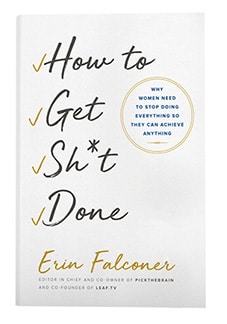
GET THE BOOK BY
ERIN FALCONER!


Say, you got a nice blog.Thanks Again. Great.
Thanks again for the post.Much thanks again. Really Cool.
Really informative blog article.Really thank you! Really Great.
I value the blog article. Really Cool.
Thanks again for the blog post.Really looking forward to read more. Keep writing.
Very neat blog article.Really looking forward to read more. Really Cool.
Awesome blog post. Great.
A round of applause for your blog.Really looking forward to read more. Great.
Thank you for your post.Really thank you!
Thanks again for the blog article.Really looking forward to read more. Really Great.
Thank you ever so for you article.Thanks Again. Really Cool.
Looking forward to reading more. Great blog article. Want more.
I really liked your article.Really thank you! Want more.
Very neat blog.Thanks Again. Will read on…
Wow, great article post. Fantastic.
Hey, thanks for the blog article.Much thanks again. Cool.
Muchos Gracias for your blog post.Much thanks again. Cool.
I cannot thank you enough for the article post.Really thank you! Much obliged.
Im thankful for the blog article.Thanks Again. Great.
Hey, thanks for the article. Keep writing.
Major thanks for the article.Really looking forward to read more.
I think this is a real great blog article. Much obliged.
Thanks for sharing, this is a fantastic article post.Really thank you! Awesome.
I really enjoy the article post. Will read on…
Very neat blog.Thanks Again. Great.
A round of applause for your article post.Thanks Again. Really Great.
Enjoyed every bit of your blog post.Much thanks again. Really Great.
I really like and appreciate your blog.Much thanks again. Great.
I really like and appreciate your article. Fantastic.
Thanks for the post.Thanks Again. Keep writing.
I loved your article post.Much thanks again. Want more.
I am so grateful for your post.Much thanks again. Really Cool.
Very good blog post.Much thanks again. Will read on…
Im obliged for the article.Really looking forward to read more. Keep writing.
A round of applause for your article.Much thanks again. Really Great.
my father have lots and a lot of collectible coins that are incredibly precious and rare,,
I value the article post.Thanks Again.
Very informative blog article.Really looking forward to read more. Want more.
I visited several sites except the audio quality for audio songs existing at this website is genuinely excellent.
Enjoyed every bit of your blog.Much thanks again. Really Cool.
Major thanks for the post.Really looking forward to read more. Great.
Thank you ever so for you blog post. Want more.
I appreciate you sharing this article post.Much thanks again. Really Great.
Enjoyed every bit of your blog post.Really thank you! Will read on…
I truly appreciate this blog article.Much thanks again. Will read on…
Enjoyed every bit of your article.Much thanks again. Fantastic.
Very informative article post.Really looking forward to read more. Awesome.
I truly appreciate this blog post.Thanks Again. Much obliged.
Very informative post.Really looking forward to read more. Really Cool.
I really enjoy the article.Really looking forward to read more. Cool.
A big thank you for your blog article. Fantastic.
Great blog. Really Cool.
에볼루션코리아
233LAzrGb`%>
에볼루션카지노
143dOrVyy[/}
Hello, friends! What a wonderful blog and informative stuff; I will bookmark your site.
Excellent article! Your breakdown of the key concepts is really helpful for someone new to this topic. I am bookmarking it for future references.