

Image courtesy of The Huffington Post
You know what it’s like to feel unmotivated. You sit and stare at your to-do list, and nothing on it inspires you at all. It’s just a string of tasks that you wish you didn’t have to do. Simply getting started seems to take an unfathomable amount of effort.
Yet, you don’t always feel that way. You know what motivation feels like, too. You have times when you can’t wait to get started on something – a much-anticipated trip, a big project that you’ve been looking forward to sinking your teeth into, a new course that you’re taking, or a job which is going to be so satisfying when it’s done.
So how can you make sure that you are motivated, whatever the task at hand?
Psychologists distinguish between two forms of motivation, intrinsic and extrinsic. The effects of each might feel the same – excitement, being keen to “get on with it” – but the two types of motivation arise from different places.
Intrinsic Motivation
Intrinsic motivation comes from within. It’s the sort of motivation that you get when you’re doing something you enjoy; when the task itself is its own reward. Think of something you love – perhaps computer games, playing the guitar, cooking, painting … any activity you enjoy. You never procrastinate over it, do you? It seems almost silly to ask that – of course you don’t, if anything, you put off other tasks in order to do the ones you enjoy!
One way to make your to-do list easier is to put as many tasks on it as possible which are things you love. Sometimes they might be hard, or you might feel a little resistance to getting started – but once you’re doing them, you find them fun.
In some cases, that might mean rethinking your career choice or your lifestyle. If your life is made up of a whole string of unexciting or unpleasant tasks, how did you get into that situation? What can you do to change it?
When you’re engaged on something which makes you intrinsically motivated, you’ll find that:
- It’s fairly easy to maintain your concentration
- You’re keen to do well because the task deserves your best effort
- You’d do it whether or not you were paid or rewarded in any way
Intrinsic motivation can be a powerful force – but it can also be subject to your moods; when you’re feeling cheerful and upbeat, you’re more likely to enjoy what you’re working on than when you’re feeling low. And for some tasks, there’s simply no way you’re going to enjoy them. That’s where extrinsic motivation comes in.
Extrinsic Motivation
Extrinsic motivation comes from outside. This is the motivation which gets you to plough on with something you don’t like all that much … because you know there’ll be a reward at the end. Think of a time in your life when you stuck with something in order to reach a particular goal: maybe you studied hard in college not because you loved studying, but because you wanted to get your degree. Or perhaps you worked in a job that bored you because you needed the paycheck. On a day to day level, you probably clean your house because you want it to be a pleasant place to live – not because you really love cleaning.
Sometimes, people think that extrinsic motivation is shallow or false – but it can be a very powerful force. Most difficult things become more bearable when you’ve got something to look forward to at the end.
With extrinsic motivation, you’ll find that:
- It might be hard to concentrate – you may be tempted to procrastinate
- You want to do the task to a high enough standard to get the reward or achieve the goal at the end, but you don’t care much about it being perfect or excellent.
- You’d be much more reluctant to do it if there was no reward
External motivation is easier to manufacture than intrinsic motivation. If you have a string of tasks which need to be done, but which don’t interest or excite you in any way, can you find extrinsic motivation? That might mean:
- Promising yourself a reward at the end (e.g. a cookie, a new DVD, some “me time” to indulge)
- Focusing on the goal rather than on the process – the finished result
- Finding a way for the completed task to give you public acknowledgement or acclaim (easier said than done – taking a qualification would be one way, or joining an organization focused on that particular area)
What works for you? Are most of your activities intrinsically or extrinsically motivated – or is it a bit of both?
Related Articles:
How To Be Happy At Work:Employee Motivation
How To Increase Your Will Power
Don’t Forget to Follow PickTheBrain on Twitter!
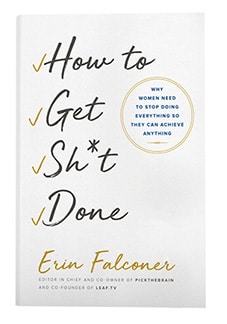
GET THE BOOK BY
ERIN FALCONER!


There is noticeably a bundle to realize about this. I think you made various nice points in features also.
buy viagra sildenafil buy generic 100mg viagra online
current cost of cialis 5mg cvs buy cialis cialis discount card
viagra without a doctor prescription canada cheap viagra no prescription viagra
over the counter ed remedies how to help ed errection problem cure
cheapest generic viagra generic viagra online cheapest generic viagra
canadian drugs online
online doctor prescription for viagra buy viagra from canada no prescription viagra
male erectile dysfunction
viagra for men online viagra canada canadian online pharmacy viagra
best drug for ed
buy viagra online canada cheap viagra over the counter viagra
ed drugs list
cheap cialis tadalafil warnings for cialis
cialis at a discount price cheap cialis does cialis make you bigger
over the counter erectile dysfunction pills cheap pills online injectable ed drugs
compare ed drugs
natural ed generic ed pills non prescription erection pills
ed prescription drugs
Thanks again for the blog post.Really thank you! Really Cool.
I cannot thank you enough for the article.
how to get amoxicillin over the counter amoxicillin 875 mg tablet
I truly appreciate this post.Thanks Again. Much obliged.
valtrex cost in mexico buy valtrex online in usa
Im grateful for the post.Thanks Again. Awesome.
I really liked your blog article.Much thanks again. Want more.
buy sildenafil sildenafil generic
payday loans online payday loans no credit check
Thanks for the blog.Really looking forward to read more. Much obliged.
payday loans online personal loans with no credit check
A big thank you for your post.Much thanks again. Really Cool.
I truly appreciate this blog.Really looking forward to read more. Fantastic.
best place to buy generic drugs online pharmacy
Very informative blog article.Really looking forward to read more. Keep writing.
I really like and appreciate your post.Really looking forward to read more. Cool.
Thanks for the article.Much thanks again. Want more.
I am so grateful for your blog post.Really looking forward to read more. Much obliged.
Im obliged for the blog post.Thanks Again. Cool.
I cannot thank you enough for the blog post.Much thanks again. Cool.
Appreciate you sharing, great blog article.Thanks Again. Great.
Thanks for the blog.Much thanks again. Will read on…
Thank you ever so for you blog. Really Great.
A big thank you for your blog.Much thanks again. Keep writing.
Hey, thanks for the article. Really Cool.
I appreciate you sharing this article post.Really looking forward to read more. Awesome.
I cannot thank you enough for the article.Thanks Again. Really Great.
Wow, great blog post.Thanks Again. Keep writing.
Very good article post. Want more.
Im grateful for the blog post.Really thank you! Keep writing.
I appreciate you sharing this article post. Much obliged.
Thanks a lot for the blog post.Really thank you! Really Cool.
Wow, great article. Keep writing.
I truly appreciate this blog post.Thanks Again. Cool.
Muchos Gracias for your blog article.Thanks Again. Keep writing.
Thank you ever so for you blog article.Much thanks again. Fantastic.
Thanks for sharing, this is a fantastic article.Really looking forward to read more. Cool.
ed drug comparison https://sildenafilxxl.com/ where can i buy viagra over the counter
Muchos Gracias for your article post. Really Great.
Occult abilities are just flowers of the Way And the beginning of foolishness. 4. It’s important to not only check the rating, but also the actual objectionable material (e.
I appreciate you sharing this article. Keep writing.
I really enjoy the post.Much thanks again. Will read on…
Youre so cool! I dont suppose Ive read anything such as this prior to. So nice to seek out somebody by incorporating original thoughts on this subject. realy we appreciate you starting this up. this excellent website is a single area that is required over the internet, a person with a bit of originality. valuable work for bringing new points to the world wide web!
Very neat blog article.Thanks Again. Will read on…
samples of cialis viagra vs cialis vs levitra buy cialis online canadian
Thanks for the post
errection problems canadian pharmacy review drug store online
non prescription ed drugs Prednisone sale best pharmacy online
drugs prices Cipro india ed treatment drugs
medications for ed cheap Zithromax best ed pills non prescription
Very informative post.Really looking forward to read more. Will read on…
Muchos Gracias for your article post.Thanks Again. Keep writing.
Great, thanks for sharing this blog.Much thanks again. Much obliged.
Hey, thanks for the article post.Really thank you! Much obliged.
Hey, thanks for the blog article.Much thanks again. Great.
natural drugs for ed: best ed treatment pills prescription drugs canada buy online
Really appreciate you sharing this blog article. Great.
cheapest ed pills online: drug store online medicine erectile dysfunction
Very neat article post.Thanks Again. Fantastic.
Really appreciate you sharing this post.Thanks Again. Want more.
I really liked your post.Really looking forward to read more.
A big thank you for your post.Thanks Again. Great.
Thanks for the article.Thanks Again. Want more.
generic names for cialis and viagra show cialis working cialis erections
I think this is a real great blog.Really looking forward to read more. Fantastic.
purchasing cialis on the internet cialis reps cialis 100 mg lowest price
Major thankies for the blog post.Really thank you! Much obliged.
ed men northwest pharmacy in canada can ed be cured
I am so grateful for your blog article.Really thank you! Cool.
I value the post.Really thank you! Cool.
natural ed treatments cheap viagra online canada pharmacy best medicine for ed
ed pills comparison buy viagra online canada pharmacy herbal ed treatment
I cannot thank you enough for the blog post. Want more.
medication drugs northwest pharmacy canada natural herbs for ed
I truly appreciate this blog post.Really looking forward to read more. Want more.
purchase zithromax online cost of generic zithromax how to get zithromax over the counter
wow, awesome blog article.Really looking forward to read more. Fantastic.
I really enjoy the post.Much thanks again.
最近では、本物の女の子のように見える本物の人形を手に入れるだけでなく、同じような喜びを与えることができます。 それは本物の女の子のように感じます、それは喜びを刺激することができる様々な楽器を持つことができます、そしてそれのいくつかは性的関係の大きな喜びに不可欠であるうめき声もすることができます。 女性 向け ラブドール
Thank you so much for giving everyone such a spectacular opportunity to check tips from this blog. It’s usually very pleasurable and jam-packed with fun for me personally and my office acquaintances to search your website really thrice in a week to study the latest tips you have got. Love Doll Blog
You should be a part of a contest for one of the highest quality blogs on the web. I most certainly will recommend this blog!
ai sex doll Why Would it be a good idea for you to Buy Genuine Sex Dolls For Men?
에볼루션코리아
262uOXvym;^-
에볼루션카지노
190eDhqXv+<|
에볼루션바카라
636GmXPea&[-
에볼루션룰렛
840nGGUFm~^,
에볼루션블랙잭521VrdxAK$)$
The best e-cigarette liquid site in Korea. Korea’s lowest-priced 전자담배 액상 사이트 e-cigarette liquid.
스모크밤618 스모크밤
에볼루션카지노
756oAbUkH$@:
에볼루션카지노
013oEJmnC+{@
Thanks-a-mundo for the blog article.“부산달리기”Really looking forward to read more. Fantastic.
What time of day is blood pressure highest
강남카지노강남사설카지노,강남오프라인카지노 놀러오세요~~
Join now as well as get started on your journey today!