

“Public speaking is the art of diluting a two-minute idea with a two-hour vocabulary.” – Evan Esar
At some or other point in our lives, we’re likely to be called upon to make a speech, be it for a family wedding or a presentation at work. While maintaining a degree of spontaneity is crucial, winging the whole thing is probably not the best option. Instead, taking the time to prepare something solid can leave a memorable impression for years to come.
Two great resources on the subject are Alan Barker’s Improve Your Communication Skills as well as Dale Carnegie’s The Quick and Easy Way to Effective Speaking. Ultimately, it comes down to these things:
Research the audience. Knowing who you’ll be addressing allows you to use an appropriate style. That way, you’re more likely to connect with the specific group by using words and jargon they’ll understand. It also allows you to pick a topic they’ll be interested in hearing you speak about. That’s a must. What you have to say has to somehow tie into helping them solve a problem or achieve a goal. There has to be some sort of emotional connection or else the whole thing will turn into a bore.
Pick a topic. The best topics are obviously those you can be passionate about. We’ve all got a host of valuable struggles and successes from childhood, schooling, work, relationships, hobbies, and more. You’re bound to find something interesting. If not, try browsing through newspapers, magazines, websites, or simply listening to what other people have to say about their lives in the world today. The most important part is finding a simple topic you’re prepared to share passionately and defend if need be.
“No one qualification is so likely to make a good writer as the power of rejecting his own thoughts.” – Alexander Pope
Know your outcome. Every speech needs to have a brief and specific objective. Knowing what you hope to achieve and/or what action you want the audience to take acts as a starting point. It also allows you to organize your thoughts, limit the subject, and prevent talking about too many things. You’ve got to pick the most important points you want to make and talk about them one at a time.
Tell a story. The first draft should be done quickly with editing done a few days later. Grab their attention and arouse their suspense right from the start. Use vivid images to illustrate the points you want to get across. Make the audience feel what you felt when the experience you’re describing happened to you. Take them back in time and let them relate to your story. Make sure each one of your points leaps out and is supported with concrete examples. The more detailed and dramatic you can make it, the better. They’re far more likely to remember something personal that something detached.
“Talk low, talk slow, and don’t talk too much.” – John Wayne
Relax. Even professional speakers get nervous when it comes to public speaking. It’s been ranked as a fear higher than death! So remember that you’re not alone. Also remember that a certain amount of stage fright is useful. It shows you care about what you have to say. In addition to focusing on deep breathing and relaxation techniques, the best way to deal with stage fright is by practicing with family or friends. Get accustomed to what you’ll be exposed to, perhaps at the actual venue if you can manage to make that work.
Enjoy. You’ve got to have fun. Regular pep-talks leading up to the big day can be a big help and keep your mind off negative stimuli that may upset you. Be confident. Act as though the audience has begged and pleaded for you to be there in the first place. Know that they want to hear you talk. This allows you to open up and present yourself. While delivering the speech, make eye contact with people throughout the room or talk just over their heads if you prefer. Speak slowly and let your voice resonate. Most importantly, be yourself. Come alive by reliving the experience instead of simply reading from notes or reciting a memorized speech. Keep the passion and spontaneity alive. That’s what they’ll remember for sure.
About the author: this is a guest post by Eugene Yiga of Varsity Blah. To download your completely free copy of the South African or International edition of Work in Progress, right-click and save the relevant link. Then open, enjoy, and repeat as needed.
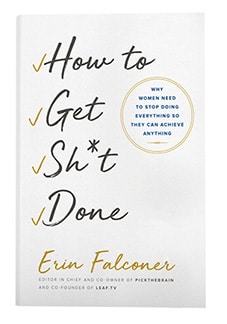
GET THE BOOK BY
ERIN FALCONER!


에볼루션코리아
722qLgxlz~.?
에볼루션바카라
909eEjYma},}
에볼루션룰렛
881rRReEI>_”
에볼루션블랙잭944FDXAQg?*}
The best e-cigarette liquid site in Korea. Korea’s lowest-priced 전자담배 액상 사이트 e-cigarette liquid.
스모크밤528 스모크밤
에볼루션카지노
183flTcNh#”~
에볼루션카지노
919ibRhuI\/}
에볼루션카지노
505hkFrLb:})
에볼루션카지노
064LsmMME-*\