

If you think about it, your decisions are the only things you are truly accountable for in your life. Everything you say or do is a result of a decision you have made.
In order to improve the quality and confidence you have in the decisions you make, as well as developing more trust in the decisions others make, consider the impact your emotions, vision and needs have on your decision making process.
Manage Your Emotions
Decision making is an emotional event. Emotions bog you down and cloud your ability to make good decisions. Medical science has shown that we make decisions emotionally, not rationally. The data behind this theory points to a small, almond-shaped part of the brain called the amygdala.
The amygdala receives the information before it is passed on to the cognitive part of your brain. The amygdala is primarily responsible for controlling our “flight vs. fight” responses.
Its purpose is to help us react quickly, without really thinking through the situation. This is good if you are confronted by a hungry tiger, but not so good if you are faced with deciding which job offer to take or any other life-changing event.
Based on this theory, science also suggests that 78{54c12dad2cc2b53ae830e39915b1a3e70288dbcbbeb8bbf8395437c5dc3c512c} of what we think is wrong. Therefore, controlling your emotions and changing how you think is a big contributor to making better decisions. To do this, you must work on your emotional state. If you sometimes struggle with controlling your emotions, try these ideas:
- When confronted with a decision, create a visual image of a blank slate. Your blank slate should be free of clutter or old thoughts and assumptions. Try not to allow any other thoughts or feelings interfere with this image. This blank slate represents your true starting point for making a proper and quality decision.
- Pay attention to your body’s physical clues. Lower your voice, calm down and focus on not making any sudden moves. Stay in control to better control your ability to make a rational decision.
- Don’t get too high, or too low, when confronted with a tough decision. Instead, try to visualize, in advance, the outcome of your decision. Consider what will be beneficial and what might be problematic.
- Practice. Just like refining your golf swing, the more you do any thing the better you will become at doing it.
Create a Vision
Your decisions are also formed by your vision. When you see something, clearly and personally, your opportunity to make a better decision is improved.
Consider wearing seatbelts in your car. Many studies have proven, without a doubt, that wearing a seatbelt can dramatically improve your chances of surviving a car accident. So, why do some people ignore this? The answer may be they have not visualized the outcome of their decision.
If someone you know refuses to wear a seatbelt, ask what he or she think would happen if they were travelling down the highway at 70mph and hit a tree? Ask them to visualize what this would look like. Perhaps, a different decision would be made.
On a similar note, every year around the time for the prom our local high school puts a wrecked car in front of the building. The purpose for doing this is to give the administration the opportunity to show, or visualize, to the students what can happen if they drink and drive after the prom.
This technique is more powerful and effective than quoting statistics which may not be heard by the students. However, they do grasp what a wrecked car looks like and the tragic outcome of making the decision to drink and drive.
Control Your Needs and Neediness
Buying a new car is a difficult decision. More times than not, we become very needy when we smell the aroma of a new car. Car salespeople love needy people. The needier the potential customer is, the better the sales person chances are for making a sale – a much higher sale. Many times, when people are in the process of buying a car they get caught up with the emotional aspects of owning a car.
They believe they need to have all of the bells and whistles like an installed DVD player, leather seats and sun roof. These are really just wants, not needs, but their amygdala is kicking in and the person is about to fall in the 78{54c12dad2cc2b53ae830e39915b1a3e70288dbcbbeb8bbf8395437c5dc3c512c} again.
When you are needy, you are in greater danger of making a bad decision. Others can sense this and may take advantage of you. Instead, replace your neediness with confidence. If you are not feeling particularly confident, step back and ask what a confident person would do in this situation. This will give you a path to follow.
Good decisions result from good choices. While you can’t control the choices others make, you are in full control of your choices and decisions. Use this knowledge as a source of empowerment and freedom. Better decisions do indeed lead to greater happiness and success.
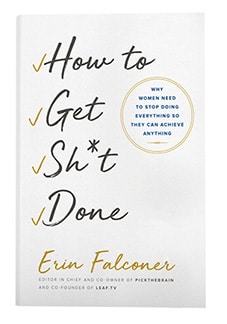
GET THE BOOK BY
ERIN FALCONER!


Major thanks for the blog article. Much thanks again. Will read on…
yWIEvLrFnG
ndGtrhZoSMx
Thanks for sharing, this is a fantastic blog post.Really thank you! Will read on…
Im thankful for the article. Want more.
Really enjoyed this article.Much thanks again. Fantastic.
Great, thanks for sharing this blog post. Want more.
Really appreciate you sharing this post.Much thanks again. Want more.
Awesome article.Really looking forward to read more. Really Great.
This is one awesome blog post. Awesome.
Looking forward to reading more. Great blog.Much thanks again. Much obliged.
I think this is a real great blog.Much thanks again. Awesome.
Looking forward to reading more. Great blog article.Really looking forward to read more. Cool.
Looking forward to reading more. Great post. Really Cool.
Thanks again for the blog article.Really thank you! Much obliged.
Major thankies for the blog. Fantastic.
Awesome blog post.Much thanks again.
Fantastic article post.Thanks Again. Great.
Thank you for your blog post. Awesome.
Thanks for sharing, this is a fantastic article.Really looking forward to read more. Great.
Fantastic blog post.Thanks Again.
Fantastic post.Thanks Again. Cool.
Great post.Really thank you! Keep writing.
Thanks for sharing, this is a fantastic blog article.Really looking forward to read more. Want more.
Really appreciate you sharing this blog.Thanks Again. Great.
wow, awesome article.Thanks Again. Really Cool.
Great blog post.Thanks Again. Cool.
Say, you got a nice article post. Will read on…
I truly appreciate this blog post.Really thank you! Cool.
I loved your article.Much thanks again. Will read on…
I loved your blog.Thanks Again. Cool.
I appreciate you sharing this blog post.Really thank you! Want more.
Enjoyed every bit of your article post.Thanks Again. Fantastic.
I really enjoy the blog post.Much thanks again. Fantastic.
I loved your post.Really looking forward to read more. Really Cool.
Very informative blog article.Really looking forward to read more.
Awesome blog.Really looking forward to read more. Want more.
Excellent website. A lot of useful information here. I am sending it to some friends ans additionally sharing in delicious. And obviously, thanks to your effort!
Muchos Gracias for your blog article.Much thanks again. Want more.
I really like and appreciate your post. Really Cool.
I appreciate you sharing this blog post.Really thank you! Will read on…
ZvXhbHxocOqNA
I really like your blog.. very nice colors & theme. Did you create this website yourself or did you hire someone to do it for you? Plz answer back as I’m looking to design my own blog and would like to know where u got this from. kudos
Chuyên viên trang điểm tại các salon và spa
Hey, thanks for the article post.Really thank you! Fantastic.
I cannot thank you enough for the blog post.Thanks Again. Cool.
814242 24930How much of an exciting piece of writing, continue creating companion 998501
Im obliged for the blog. Cool.
I really liked your post.Really looking forward to read more. Really Cool.
Looking forward to reading more. Great blog.Thanks Again. Will read on…
Thanks for the blog article.Really looking forward to read more. Much obliged.
I think this is a real great blog.Really looking forward to read more. Will read on…
I really like and appreciate your blog article. Keep writing.
Fantastic post.Really thank you! Awesome.
I am so grateful for your blog. Fantastic.
I value the blog.Really thank you! Really Cool.
A big thank you for your post.Much thanks again. Fantastic.
Thanks a lot for the post. Much obliged.
Appreciate you sharing, great post. Cool.
I really liked your blog.Really looking forward to read more. Cool.
Very good post.Really looking forward to read more. Want more.
Looking forward to reading more. Great blog article.Thanks Again. Really Cool.
Very good blog.Really thank you! Really Cool.
Next time I read a blog, Hopefully it won’t fail me as much as this one. After all, I know it was my choice to read through, but I genuinely believed you would probably have something helpful to talk about. All I hear is a bunch of moaning about something you could possibly fix if you were not too busy searching for attention.
最近では、本物の女の子のように見える本物の人形を手に入れるだけでなく、同じような喜びを与えることができます。 それは本物の女の子のように感じます、それは喜びを刺激することができる様々な楽器を持つことができます、そしてそれのいくつかは性的関係の大きな喜びに不可欠であるうめき声もすることができます。 トルソー ラブドール https://yourdoll.jp/product-category/torso-real-tpe-love-doll/
Decision making has never been so simpler and so strategical before. Excellent
wanted to thank you for this very good read!!
에볼루션코리아
858FEMgkW?(*
에볼루션바카라
343rQwSZj:[)
에볼루션룰렛
727RtzyPs-??
에볼루션블랙잭861JmmMJd”,[
The best e-cigarette liquid site in Korea. Korea’s lowest-priced 전자담배 액상 사이트 e-cigarette liquid.
스모크밤406 스모크밤
제주룸
820DsgSPU%{%
에볼루션카지노
789pZPZOx]~’
에볼루션카지노
830bTOQId/?$
에볼루션카지노
040WZYyQZ`*$
에볼루션카지노
911RWZOfW)?&
에볼루션카지노
279heFvji%@?
Balayında gidilecek yerler | Eşiniz ile ilk tatiliniz olan balayında gidilecek yerlerin listesini sizler için hazırladık.
강남카지노강남오프라인카지노 강남카지노바~~ 이벤트진행~~ 놀러오세요~!!
Wouw, amazing!
Yemek tarifi reels videolar için tıklayınız.
Deseler ile hayata bak sende, en iyi icerikler burada.
erhan çepni
Deneme bonusu, bedava bonus ve hoş geldin bonuslarını detaylı bir şekilde kullanıcılara sunan, tüm deneme bonuslarının sıralandığını aktif bonus platformu
Sahibi DLD GLOBAL N.V. Güvenilir bahis sitesi 8 arayüz diline ve 24 saat destek hizmetine sahiptir.
Türkiye’deki bahis siteleri 85 milyondan fazla nüfusu olan bu ülkede oldukça popülerdir. 2023 yılında ülkedeki bahis siteleri sayısı artmıştır.
Avrupa nın Kaliteli ve en iyi iptv server satın al – 5g iptv
Interesting, but I have difficulty loading the page.
You took the campaign to check out a different angle on this topic and also did a wonderful task discussing it.
Futbol maçları ülkedeki en popüler maçlardır, ancak E-spor turnuvaları da bugün büyük ilgi görmektedir.
redbahis giriş adresi
Türkiye’de Güvenilir Bahis Siteleri, yarı kutuplu bahis siteleri 2024, yeni bahis siteleri listesi.
Radissonbet, guncel giris adresine kolayca sitemizden ulaşabilirsiniz.
thank you admin very nice post
When seeking to make better decisions, consider seeking expert advice from local sources. For instance, if you’re looking for custom embroidered patches near me collaborating with a local embroidery service can provide personalized insights and high-quality results. This hands-on, community-driven approach enhances your decision-making process and outcomes.
Merhabalar Siteniz Ve Makaleniz Çok Güzel Yakında Tekrar Gelicem