

Procrastination is like leaving the headlights on in a parked car: it’s a slow drain on your mental battery. The longer the lights are on, the harder it is to get the engine started. By continually avoiding doing something you know you need to do, procrastination sucks the energy out of you.
This is doubly true for a task like writing. The longer you procrastinate writing a piece, the harder it becomes to start. However, even if you put off a task for weeks or months, it’s never too late to start. Starting isn’t easy, but it’s doable. The best part: once you start, you’ll usually find the difficulty you imagined is usually worse than the actual work involved.
Procrastination is usually a symptom of some other problem: poor preparation, perfectionism, a fear of failure or rejection, or just a simple lack of motivation and interest.
The reason you left your headlights on isn’t important. Sometimes you’ll just have to deal with a dead battery. But since we need to get that car running as soon as possible, let’s look at some ways to jumpstart that dead car. Consider each of these techniques a different set of jumper cables.
• Organize Your Ideas – Staring at a blank screen with no support materials or written notes is like building a house without a blueprint: the end result will be a mess and it could kill someone. Instead of starting from zero, make a mind map, choose the best ideas, and organize them into an outline. Do all this before you begin drafting.
• Freewrite – Forget about logical flow for a minute. People often procrastinate when they’re unclear about some aspect of their task. When you freewrite, you have a chance to address those missing details and develop a deeper understanding of the piece you want to create.
• Set a deadline – Deadlines add a sense of urgency to your writing task, giving you a clear and compelling reason to finish a piece. Without a deadline, it’s easy to ignore a piece, especially when you’re writing only for yourself.
• Set mini-goals – Writing a 5,000 word piece, one that’ll probably require several hours of work, is a big job. Break this job up. Work in blocks of 500 words or thirty minutes.
• Eliminate distractions – Work in a quiet space. Turn off your cell phone and, if possible, your internet connection. Escape from people who demand your attention. Each distraction pulls your focus away from the task at hand.
• Force it – People mythologize the creation process. They expect some magical power to enter them and imbue them with an unstoppable pen. In reality, the most creative people force themselves to write every day, whether they feel inspired or not. The perfect time is now. Not tomorrow, not next week. Today.
• Don’t worry about getting it right…just get it down – First drafts usually suck. That’s why second, third, and eighth drafts exist. Aim for excellent results, but don’t set the bar too high at first. Having a sloppy but finished first draft is far better than having no draft at all.
Let’s face it: we all procrastinate, especially when it comes to writing. A little procrastination is normal, but by using some of these steps, we can redirect the high beams of our mental energies onto our own work. Start your engines.
Seth M. Baker is a freelance writer, musician, and world traveler currently based in Appalachia. He writes about creativity-related topics at Happenchance.net
Don’t Forget to Follow PickTheBrain on Twitter!
Related Articles:
14 Ways To Procrastinate Productively
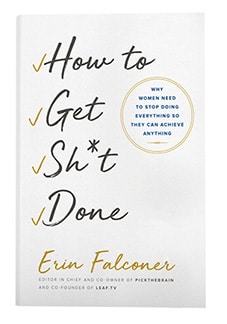
GET THE BOOK BY
ERIN FALCONER!


Very good blog article. Really looking forward to read more. Really Great!.
where can i buy viagra over the counter buy viagra online doctor prescription for viagra
hard erections cialis order cialis generic samples of cialis
viagra without prescription generic viagra cheapest viagra online
cheap erectile dysfunction pill non prescription ed drugs cure for ed
generic viagra online for sale canadian pharmacy viagra mexican viagra
911135 89446Exceptional weblog here! soon after reading, i decide to buy a sleeping bag ASAP 86642
309508 640036I discovered your weblog website website on the search engines and check several of your early posts. Always sustain up the very great operate. I lately additional increase Rss to my MSN News Reader. Looking for toward reading considerably a lot more on your part later on! 355169
online doctor prescription for viagra buy viagra viagra prices
viagra no prescription generic viagra canadian viagra
is there a generic for viagra viagra canada viagra
canadian pharmacy viagra buy generic drugs viagra price comparison
ed dysfunction treatment levitra without a doctor prescription ed medications over the counter
viagra without a doctor prescription generic viagra ed treatment drugs
treating ed cheap ed pills best male ed pills
best ed supplements Cheap Erection Pills cheap erectile dysfunction pill
lowest cialis prices cialis samples request generic cialis bitcoin
real cialis without a doctor prescription buy tadalafil warnings for cialis
ed treatment drugs buy generic ed pills online medication drugs
how to get prescription drugs without doctor
how to fix ed ed pills online pharmacy generic ed pills
cialis without doctor prescription
61593 976905Appropriate humans speeches need to seat as well as memorialize about the groom and bride. Beginer sound system around rowdy locations ought to always not forget currently the glowing leadership of a speaking, which is ones boat. greatest man speeches brother 411204
ed meds best online canadian pharmacy male dysfunction
how to get prescription drugs without doctor
carprofen without vet prescription buy generic ed pills online ed meds
ed meds online without doctor prescription
https://doxycylinegeneric100.com/
https://doxycylinegeneric100.com/
https://prednisonegeneric20.com/ can you buy prednisone
https://zantacgeneric150.com/ zantac online
https://ventolin100mcg.com/ ventolin pill
buy tadalafil tadalafil canada
cheap generic sildenafil sildenafil generic
tadalafil online tadalafil pharmacy
payday loans no credit check speedy cash payday loans online
tadalafil tadalafil for sale
online pharmacy viagra buy viagra generic no prescription viagra
mail order viagra viagra sale viagra canada
nose congested when taking cialis cialis for sale cheapest cialis
ed pills that really work canadian drug stores remedies for ed
which is better – cialis or viagra buy cialis how much does cialis cost at walmart
viagra cheap viagra viagra walgreens
best ed drug best online canadian pharmacy ed and diabetes
how to overcome ed naturally india pharmacies shipping to usa pain meds without written prescription
cheap drugs online generic drugs prescription without a doctor’s prescription
tiujana cialis cialis generic how often to take 10mg cialis
viagra without a doctor prescription canadian pharmacy online soma therapy ed
viagra cialis buy viagra online online viagra
top ed pills cheap Nolvadex erectile dysfunction drugs
viagra without a doctor prescription canada viagra prices generic name for viagra
viagra no prescription viagra generic for viagra
ed clinic: canadian drugstore online viagra without doctor prescription amazon
top erection pills: website prescription drugs without doctor approval
395446 318224hi was just seeing should you minded a comment. i like your web site and the thme you picked is awesome. I will likely be back. 240335
cialis erection penis normal dose cialis the effects of cialis on women
zithromax cost uk where to get zithromax over the counter how to buy zithromax online
ed pills how to buy cialis from canada natural remedies for ed
coffee with cialis п»їcialis cialis pills
homeopathic remedies for ed canadian pharmacies online dysfunction erectile
where can i purchase zithromax online zithromax 500 tablet zithromax capsules
medicine erectile dysfunction prescription drugs from canada buy prescription drugs online
割引オファーにより、男性は地元のお店に比べてより良いコストでセクシーな人形を手に入れることができます。そのため、この提案を見逃してはなりません。 最 高級 ラブドール
The best e-cigarette liquid site in Korea. Korea’s lowest-priced 전자담배 액상 사이트 e-cigarette liquid.
스모크밤391 스모크밤
전자담배 액상 사이트 The best e-cigarette liquid site in Korea. smok25 Korea’s lowest-priced e-cigarette liquid. 스모크밤614 스모크밤
에볼루션코리아
488BxEPjd-/+
에볼루션카지노
735KtqfcS,|*
에볼루션바카라
317UfZcNh-\@
에볼루션룰렛
219japGGd_+$
에볼루션블랙잭791DXDjjJ/*>
에볼루션카지노
404RRijvx\,:
에볼루션카지노
255XlnNPC,*<
강남카지노강남오프라인카지노 강남25 이용정보 문의주세요~!!